



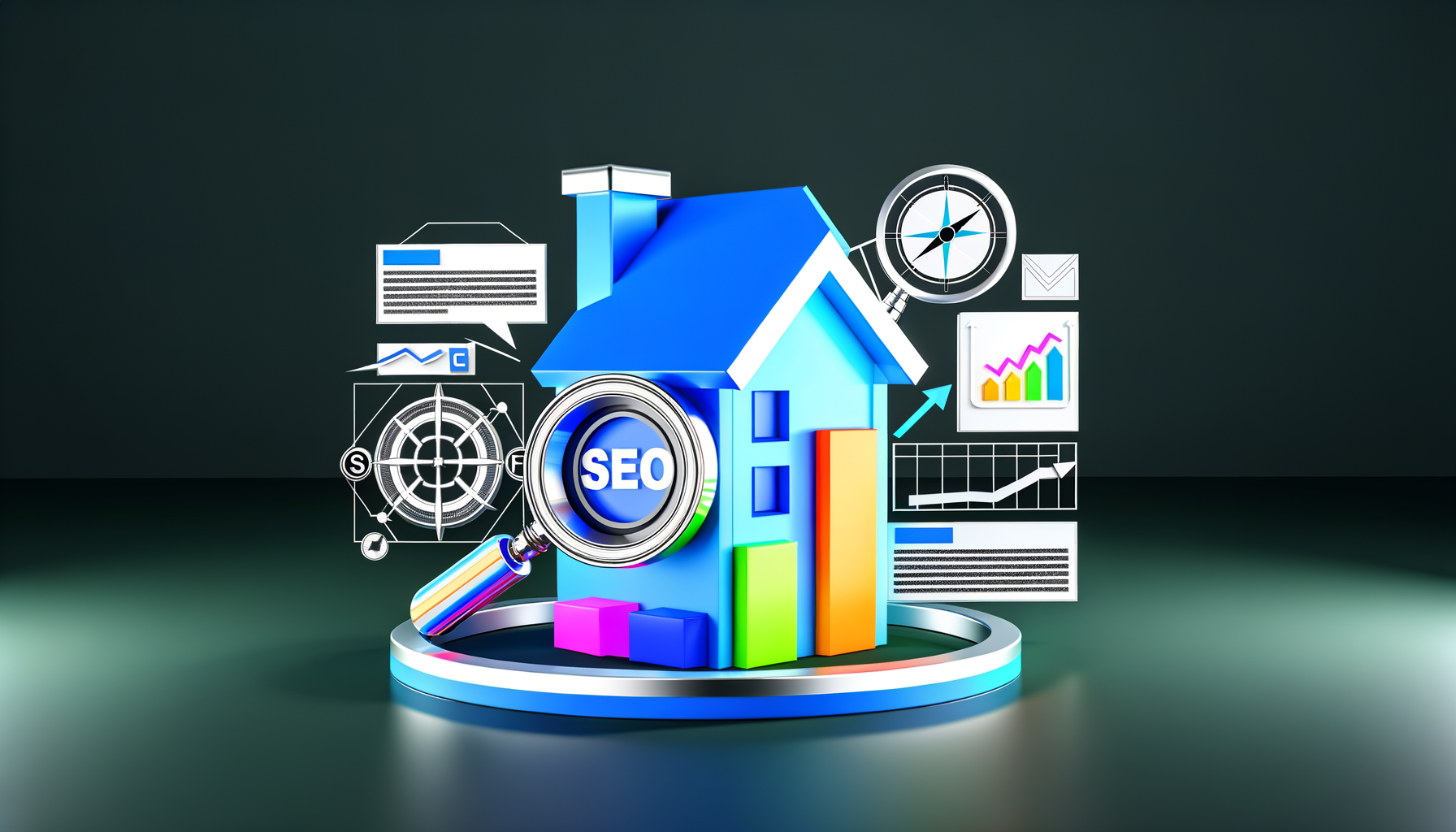
For a real estate agency looking to increase its online presence and attract potential clients, mastering SEO is crucial. To summarize, SEO techniques for a real estate agency involve optimizing their website and online content to appear prominently in search engine results for relevant keywords. This includes on-page SEO like keyword optimization, quality content creation, and site structure improvements, as well as off-page SEO strategies like building authoritative backlinks and local SEO practices that ensure the agency shows up in location-based searches.
Understanding Real Estate SEO
Search Engine Optimization (SEO) for real estate involves optimizing your website and content to rank higher in search engine results when potential clients are searching for properties or information related to buying, selling, renting, or investing in real estate. It’s about outshining competitors and being the first agency a buyer or seller thinks of when entering the online real estate market.
Why SEO Matters in Real Estate
SEO is vital in real estate because most property searches now start online. To capitalize on this digital trend, a real estate agency must ensure that its website ranks well for relevant search terms. This is where SEO plays a pivotal role. Without it, even the most comprehensive and user-friendly website might remain invisible to the target audience.
On-Page SEO Strategies for Real Estate
On-page SEO refers to optimizations you can apply directly to your website to improve its ranking in search results. For real estate agencies, there are several key areas to focus on.
Keyword Research and Usage
- Identify keywords that potential clients are using to search for real estate listings and services in your area.
- Use tools like Google Keyword Planner or Ubersuggest to find relevant keywords with significant search volumes.
- Incorporate keywords naturally into your website’s content, titles, meta descriptions, and URLs.
High-Quality Content Creation
- Create informative blog posts on topics like home buying tips, market trends, neighborhood guides, and home maintenance advice.
- Ensure that all content provides real value to your audience and establishes your agency as a local expert.
- Include a mix of multimedia, such as photos and videos, to engage users and encourage them to spend more time on your site.
Optimizing Website Structure
- Design your site with a clear hierarchy and text links. Every page should be reachable from at least one static text link.
- Use a responsive design so your site is easily accessible on mobile devices.
- Improve site speed by compressing images, leveraging browser caching, and minimizing code.
Off-Page SEO Strategies for Real Estate
Off-page SEO focuses on building your site’s reputation and authority through activities performed outside your own website.
Building Backlinks
- Reach out to local news outlets or real estate publications to get featured in articles, with links back to your website.
- Guest post on reputable real estate blogs to gain authoritative backlinks.
- Encourage happy clients to leave reviews on platforms like Google My Business and Yelp, and to share their experiences on social media.
Local SEO Optimization
- Claim and optimize your Google My Business listing with current information, photos, and client reviews.
- Target localized keywords and include location-based information in your content.
- Engage with local community events and sponsorships, and make sure these efforts are visible online.
Technical SEO Considerations for Real Estate
Technical SEO covers the aspects of SEO that deal with the more technical elements of your website that impact search engine rankings.
Mobile Optimization
- Ensure your website is responsive and offers a seamless experience on smartphones and tablets.
- Use Google’s Mobile-Friendly Test to ensure Google sees your page as mobile-friendly.
Structured Data Markup
- Implement structured data to help search engines understand the content of your site better.
- Use schema.org vocabulary to enhance listings with rich snippets in search results.
Site Speed and Performance
- Perform regular site audits to identify and fix any technical issues that could affect loading times.
- Use tools like GTmetrix or Google PageSpeed Insights to monitor site speed and make necessary adjustments.
Content Marketing and Real Estate SEO
Content marketing is essential for real estate SEO as it drives organic traffic, engages potential clients, and enhances brand reputation.
Creating Compelling Content
- Develop data-driven market reports, infographics, and virtual tour videos to differentiate your listings.
- Create buyer and seller guides that help users navigate the real estate process.
- Regularly update your blog with fresh, relevant content that addresses client concerns and interests.
Distribution and Promotion
- Share your content on social media platforms where potential clients are active.
- Use email marketing to distribute your content directly to interested parties.
- Engage in community forums and Q&A websites to share your expertise and content.
Measuring SEO Success
Measuring the success of your SEO efforts is essential to understand what’s working and where to optimize further.
Key Performance Indicators for Real Estate SEO
- Monitor organic traffic using Google Analytics to see how many visitors come from search engines.
- Track your rankings for targeted keywords with tools like Ahrefs or SEMrush.
- Analyze click-through rates (CTR) from search results to see how appealing your listings are.
Finishing Thoughts
Employing a comprehensive SEO strategy is indispensable for any real estate agency that wishes to thrive in the digital age. By targeting both on-page and off-page SEO, maintaining a technically sound website, engaging in targeted content marketing, and closely monitoring your results, you’ll put your real estate agency in a strong position to attract and convert leads from online searches. Remember, SEO is a long-term investment, and consistency is key. Keep refining your strategies to stay ahead of the competition and remain visible to your potential clients.
Frequently Asked Questions
What Is SEO and How Can It Benefit a Real Estate Agency?
SEO, or Search Engine Optimization, refers to the practice of improving a website to increase its visibility when people search for products or services related to your business in search engines like Google. For a real estate agency, SEO can help your website rank higher in search results, making it easier for potential clients to find you when looking for homes, rentals, or real estate services in your area.
What Are the Key SEO Techniques for a Real Estate Agency?
Key SEO techniques for a real estate agency include optimizing website content for relevant keywords, ensuring the site is mobile-friendly, using local SEO strategies to target local customers, creating high-quality and informative content, maintaining an active presence on social media, and building a strong backlink profile.
How Do I Identify the Right Keywords for My Real Estate Agency’s SEO?
To identify the right keywords for your real estate agency’s SEO, conduct thorough keyword research using tools such as Google Keyword Planner, SEMrush, or Ahrefs. Look for keywords that potential clients might use when searching for properties or real estate services in your area. Focus on a mix of broad terms like “real estate agents” and “homes for sale” as well as more specific, long-tail keywords, such as “luxury condos in [City Name]” or “single-family homes in [Neighborhood].”
Why Is Mobile Optimization Important for Real Estate SEO?
Mobile optimization is crucial for real estate SEO because a significant number of users search for real estate listings on their mobile devices. A mobile-friendly website provides a better user experience, which can lead to a higher ranking in mobile search results. Moreover, Google uses mobile-first indexing, which means it predominantly uses the mobile version of the content for indexing and ranking.
Can Social Media Affect My Real Estate Agency’s Search Engine Rankings?
While social media signals do not directly affect search engine rankings, an active social media presence can indirectly help your SEO efforts. By sharing content, engaging with followers, and increasing brand visibility, you can drive more traffic to your website. This increased traffic can signal to search engines that your site is reputable and valuable, which may improve your rankings.
What Is Local SEO and How Is It Applied to Real Estate Agencies?
Local SEO focuses on optimizing your real estate website to be found in local search results. This involves including your agency’s NAP (name, address, phone number) information on your website, creating local content, claiming your Google My Business listing, and encouraging reviews from local clients. Additionally, using local keywords and getting listed in local directories can significantly enhance your local SEO efforts.
How Important Are Reviews for Real Estate SEO?
Reviews are highly important for real estate SEO as they can influence your search rankings and your agency’s credibility. Positive reviews can improve your visibility in search results, especially in local searches. Encourage satisfied clients to leave reviews on your Google My Business profile and other review platforms relevant to the real estate industry.
What Type of Content Should a Real Estate Agency Create for SEO?
A real estate agency should create a variety of content types, including property listings, blog posts, buying and selling guides, market trend analyses, neighborhood guides, and client testimonials. The key is to provide value to users and answer their potential questions related to real estate. Make sure the content is keyword-optimized, engaging, and shareable.
How Can Backlinks Improve My Real Estate Website’s SEO Performance?
Backlinks are links from other websites to your website. They are crucial for SEO as they act as votes of confidence from other sites, indicating your content is valuable and reliable. Building a strong backlink profile by getting featured on reputable real estate directories, creating shareable content, or collaborating with local businesses can improve your website’s authority and enhance SEO performance.
Should I Hire an SEO Professional or Agency for My Real Estate Business?
Whether you should hire an SEO professional or agency depends on your level of expertise, the complexity of your website, and the competition in your market. If you lack the time or expertise to optimize your site effectively, hiring an expert can be a smart investment. An experienced SEO professional or agency specializing in real estate can provide tailored strategies to increase your website’s visibility and help you stay ahead of competitors.