




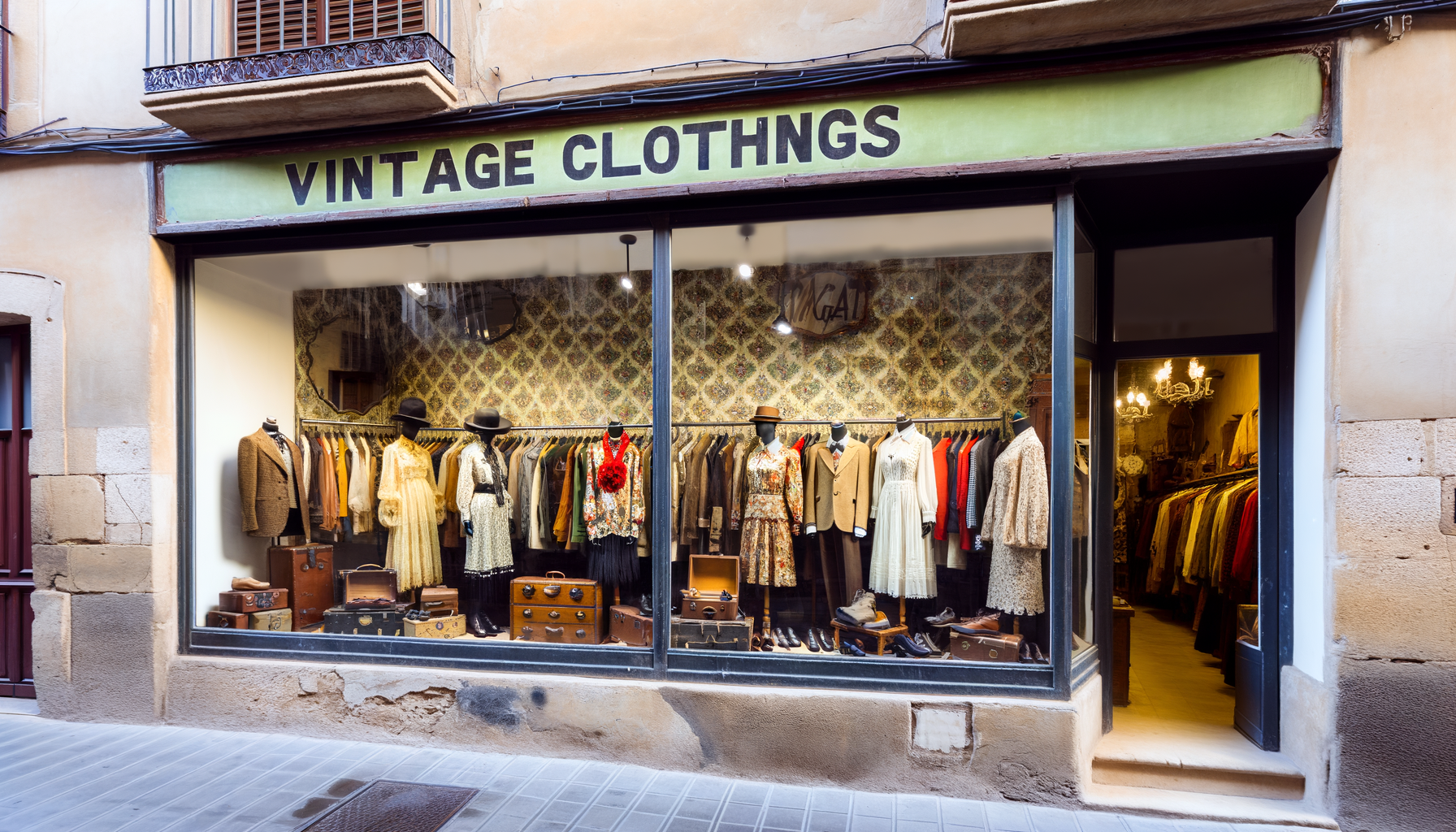
SEO strategies for a vintage clothing store should focus on building a strong online presence through keyword optimization, high-quality content creation, building backlinks, optimizing for local search, ensuring a mobile-friendly website, leveraging social media, and monitoring performance with analytics tools. By consistently applying these strategies, the store can enhance its visibility in search engine results, attract more traffic, and ultimately, drive sales.
Understanding Your Audience and Keywords
Keyword Research
Keyword research is pivotal to understanding what your target audience is searching for. For a vintage clothing store, your keyword strategy should include both general terms related to vintage fashion, as well as more specific items or trends that will attract niche customers. Start by using SEO tools to identify keywords with a reasonable volume of searches but lower competition that you stand a chance to rank for. Analyzing competitors can also reveal gaps in their SEO strategies that you can exploit.
Long-Tail Keywords
Long-tail keywords are especially important for vintage clothing stores because their products are unique and often searched for with specific queries. For example, instead of targeting general words like “vintage clothing,” aim for longer, more specific phrases such as “1970s bohemian maxi dresses” or “vintage designer silk scarves.”
Crafting Quality Content
Blog Posts and Articles
Creating engaging content that informs and entertains your audience can drive more traffic to your site. Writing blog posts that cover vintage fashion trends, care instructions for delicate vintage items, or how to style vintage clothing can establish your store’s expertise in vintage apparel and improve your search rankings.

Product Descriptions
Each product in your store should have a unique description containing the targeted keywords. Descriptions should be informative and appeal to the emotions of customers, encouraging them to envision a story or lifestyle associated with each vintage piece.
Building Backlinks
Building backlinks is an essential component of SEO. It involves getting other reputable websites to link to your site, which increases your site’s authority and improves its rankings on search engines.
Guest Posting
Write guest posts for fashion blogs or vintage lifestyle websites. These posts can provide valuable backlinks and direct traffic from those sites to yours.
Partnerships
Collaborate with influencers or fashion icons who resonate with the vintage style. They can create content that includes links to your products or website.
Local SEO for Brick-and-Mortar Stores
If your vintage clothing store has a physical location, optimizing for local search is important.
Google My Business
Claim and optimize your Google My Business listing. This ensures your store shows up in local search results and on Google Maps.
Local Keywords
Use local keywords in your content, such as the name of the city or neighborhood where your store is located.
Ensuring a Mobile-Friendly Experience
More users are browsing on mobile devices. Ensure your website is mobile-friendly, with fast loading times and easy navigation. Google’s mobile-first indexing prioritizes mobile versions of content for ranking and indexing.
Leveraging Social Media
Platform Selection
Select social media platforms that align with your target demographic. Instagram and Pinterest can be particularly powerful for a visual-based business like vintage clothing due to their focus on imagery.
Engaging Content
Post high-quality photographs, style tips, and behind-the-scenes glimpses into your collection curation process. Authentic, engaging content can lead to natural backlinks and shares, boosting your social signals and SEO.
Monitoring with Analytics
Track your SEO performance with tools like Google Analytics and Search Console. These tools will help you understand which strategies are working and where adjustments are needed.
- Monitor traffic sources to see where your visitors are coming from.
- Track conversions to understand which keywords and pages are driving sales.
- Analyze user behavior on your site to identify areas for improvement in the user experience.
Finishing Thoughts
SEO for a vintage clothing store requires a tailored approach that highlights the unique value of your products. By comprehensively researching and implementing strategic keywords, producing quality content, building backlinks, tapping into local SEO, accommodating mobile users, and staying active on social media, you can significantly increase your online visibility. Remember, SEO is an ongoing process that requires patience and regular tweaking, but the rewards in heightened customer traffic and business growth can be substantial when these strategies are effectively executed.
Frequently Asked Questions
What is SEO and why is it important for a vintage clothing store?
SEO stands for Search Engine Optimization and involves optimizing a website to improve its visibility in search engine results pages (SERPs) for targeted keywords. For a vintage clothing store, an effective SEO strategy can increase organic traffic, attract potential customers who are searching for vintage clothing online, and enhance brand visibility and credibility in a competitive market.
How can keyword research benefit a vintage clothing store’s SEO?
Keyword research helps identify the terms and phrases that potential customers use when searching for vintage clothing or related items. By understanding these keywords, a vintage clothing store can optimize its website content, product descriptions, and metadata to align with what users are searching for, which can lead to higher rankings in SERPs and improved traffic to the site.
What are some effective on-page SEO strategies for a vintage clothing store?
For a vintage clothing store, on-page SEO strategies include optimizing title tags and meta descriptions to include relevant keywords, creating quality and keyword-rich content such as product descriptions and blog posts, using header tags (H1, H2, H3) effectively to structure content, optimizing images by using descriptive file names and alt tags, and improving the website’s internal linking structure to distribute page authority and help visitors navigate the site.
Why is mobile optimization important for a vintage clothing store’s website?
Mobile optimization is essential because a significant portion of online shoppers use mobile devices to browse and purchase products. A mobile-optimized website ensures that users have a seamless and user-friendly experience on smartphones and tablets. For a vintage clothing store, a mobile-friendly site can help retain visitors, reduce bounce rates, and improve mobile search rankings, as search engines like Google prioritize mobile-optimized sites in their rankings.
How can a vintage clothing store use content marketing in its SEO strategy?
A vintage clothing store can use content marketing to create engaging and informative content that resonates with its target audience. This can include blog posts about vintage fashion trends, care tips for vintage clothing, and style guides featuring the store’s products. By providing valuable content, the store can attract and engage potential customers, generate backlinks, and improve its search engine rankings.
What role do backlinks play in improving a vintage clothing store’s SEO?
Backlinks, or inbound links from other websites, are crucial for SEO as they signal to search engines that others vouch for your content. For a vintage clothing store, acquiring high-quality backlinks from fashion blogs, industry directories, or authoritative websites can boost domain authority and improve search rankings. Effective ways to earn backlinks include guest blogging, partnerships, and creating shareable content.
Can social media presence impact a vintage clothing store’s SEO?
While social media signals do not directly affect search engine rankings, a strong social media presence can indirectly benefit SEO. Social media platforms can drive traffic to the vintage clothing store’s website, increase brand visibility, and encourage the sharing of content, which may lead to more backlinks. Additionally, social profiles can sometimes appear in search results, further increasing online presence.
How often should a vintage clothing store’s website be updated for SEO?
Regular updates are crucial for SEO as they indicate to search engines that the website is active and providing current, relevant content. A vintage clothing store should consistently add new products, update existing product descriptions, publish blog posts, and refresh content to keep the site dynamic and engaging for users and search engines alike.
Should a vintage clothing store invest in local SEO?
Yes, local SEO is highly beneficial for brick-and-mortar vintage clothing stores. Strategies include optimizing for local keywords, creating a Google My Business listing, and ensuring consistent name, address, and phone number (NAP) information across online directories. Local SEO can help the store appear in local search queries and attract nearby customers looking for vintage clothing.
How can a vintage clothing store measure the success of its SEO efforts?
A vintage clothing store can measure SEO success by tracking metrics such as organic traffic, search rankings, conversion rates, bounce rates, and backlink quality. Tools like Google Analytics, Google Search Console, and specialized SEO platforms can provide insights into performance indicators and identify areas for improvement in the store’s SEO strategy.